
The question we are asked more than any other is not what it costs, or how many people it needs. It is simply: what actually happens?
It is a fair question. "Wellbeing day" covers everything from a fruit basket and a lunchtime stretch class to a week in Ibiza, and most people trying to organise one have never been to a good one. It is difficult to commit to something you cannot picture.
So here is a full day, in order, with the thinking behind why it runs the way it does.
One thing before it starts. Nothing below is standard and nothing is compulsory. Some rooms want it harder — more martial arts, more self-defence, a straight nutrition session with no soft edges. Others want the opposite. This is one full version so you can see how the pieces fit together, not a fixed menu.
The shape of the day comes first
A Free Spirit day is designed as a single arc rather than a series of bookings.
That arc runs activation, then focus, then grounding.
The morning wakes people up. The middle of the day is where the real work happens, when attention is highest and the group is warm enough with each other to be honest. The late afternoon brings everything down deliberately, so people leave settled rather than wired.
Everything is placed according to where it sits on that curve. The movement is in the morning because it sets the group up for everything that follows. The sound bath is at the end because it would be wasted at eleven o'clock. The food and drink follow the same logic.
A full day, hour by hour
Timings are for a standard full day of seven to eight hours. Everything shifts to suit your team, your building and the time you actually have.

9:00 — Arrival, and something small
People arrive to a space that already looks and smells different from the one they left on Friday. Lighting adjusted, scent introduced, seating arranged so nobody is sitting where they normally sit.
To begin, our Air drink and something small to eat. Air is the hydrating element, and it is the right pairing for what follows: Air is breath, and the first session of the day is breath-led.
The nibble is light on purpose — dates, nuts, a little fruit — because what comes next is movement, and movement goes better on a stomach that is not full.
This first half hour matters more than it looks. People arrive carrying the morning they have just had. Somewhere comfortable to sit, something in their hands and no immediate demand lets the day start properly rather than at a run.

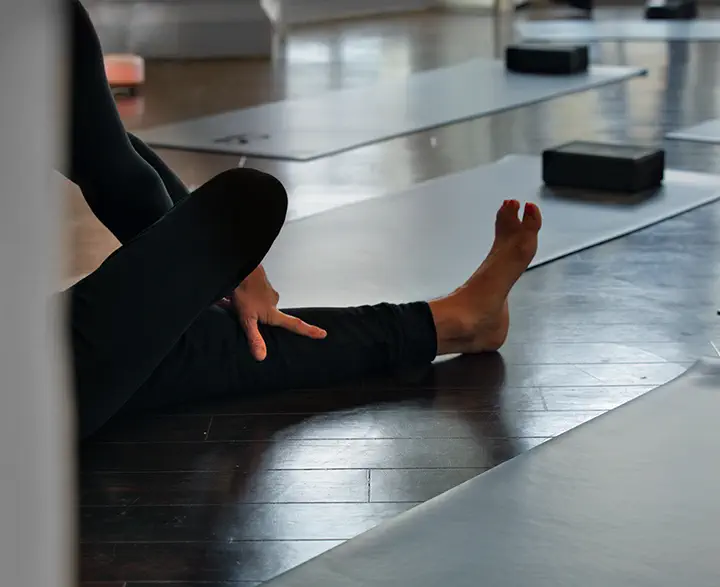
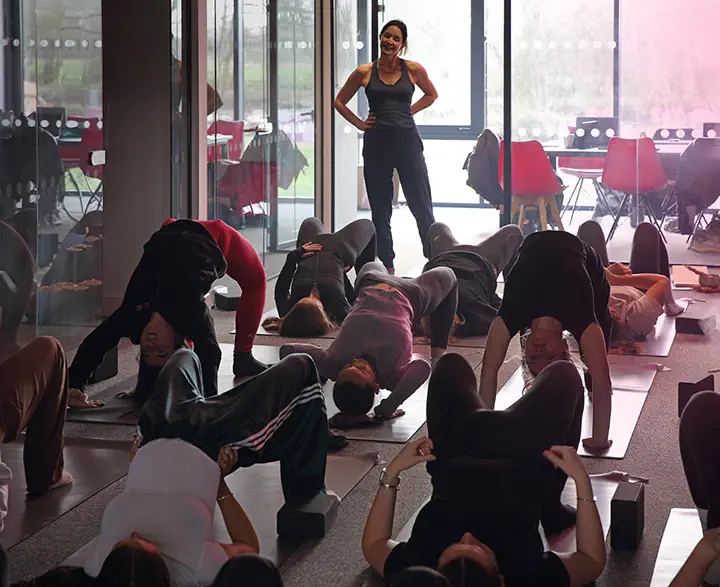
9:30 — Yoga, breath and movement
The first proper session is physical, and deliberately the first thing.
Yoga, breathwork and an energising movement flow, adapted to the room and the group, and genuinely doable by everyone present. Nobody is asked to be flexible, fit or experienced.
There is long-standing reason to move before eating properly rather than after. Yogic and Ayurvedic tradition is consistent on it: practise on a light stomach, leaving time after a substantial meal. Twists, folds and deeper breathing are simply more comfortable that way.
Movement early does two other things. It changes the physical state everyone is in, and it gets the awkwardness out of the way. A group that has moved together is a noticeably different group to work with an hour later.
Some teams prefer to eat first and move afterwards, which works perfectly well with a lighter breakfast. We shape it around what suits your group.
Worried somebody in your team will hate this? Nobody feels fit enough

10:30 — Breakfast
Now the proper meal. A Kapha-balancing bowl, light, warm and gently spiced, served with our Fire drink.
In Ayurveda, the early part of the day is associated with Kapha — heavy, slow and stable — so breakfast is designed to bring warmth and lightness rather than add to it.
Fire arrives here rather than first thing because the yoga has already done the waking up, and there is no sense asking a drink to do the same job twice. What follows breakfast is the most demanding session of the day, and that is where the energy is wanted.
Eating after practice also makes for a better moment. People have done something together and are hungry, and the conversation over that bowl is usually the first properly relaxed one of the day.

11:15 — Mindset and confidence
The most substantial session, placed where attention is highest.
A mindset and confidence workshop built around self-defence and martial-arts-inspired movement. It is not about fighting. It is about presence, boundaries and the physical experience of holding your ground. There is something surprisingly powerful about physically practising confidence rather than simply talking about it.
Some teams prefer to eat first and move afterwards, which works perfectly well with a lighter breakfast. We shape it around what suits your group.
It is also the session that most surprises people. Teams who arrive sceptical about wellbeing tend to leave this one talking about it.

12:45 — Lunch
A Pitta-balancing bowl, served with our Ether drink.
In Ayurveda the middle of the day belongs to Pitta, and it is traditionally when the main meal is taken. This one is cooling and calming by design, arriving directly after the most intense session of the day.
Lunch is built not to flatten the afternoon. The usual working lunch is the reason most days lose their second half, and it is entirely avoidable.
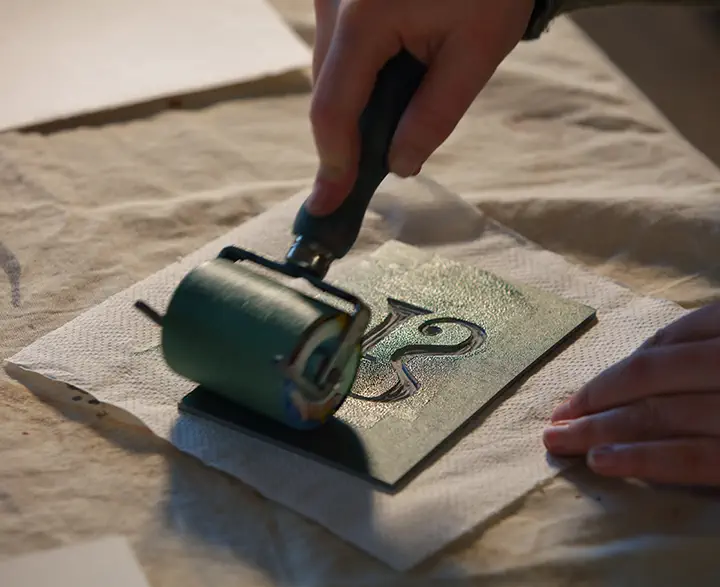
13:45 — Creative workshop
The afternoon opens with something made by hand — candle making, lino printing, tea blending, or an Ayurvedic body scrub, depending on the group and the intention of the day.
The creative session does something the other two cannot. It occupies the hands and quietens the analytical part of the brain, which is when people talk to each other properly. A great deal of the connection that comes out of these days happens here, sideways, while everyone is concentrating on something else.
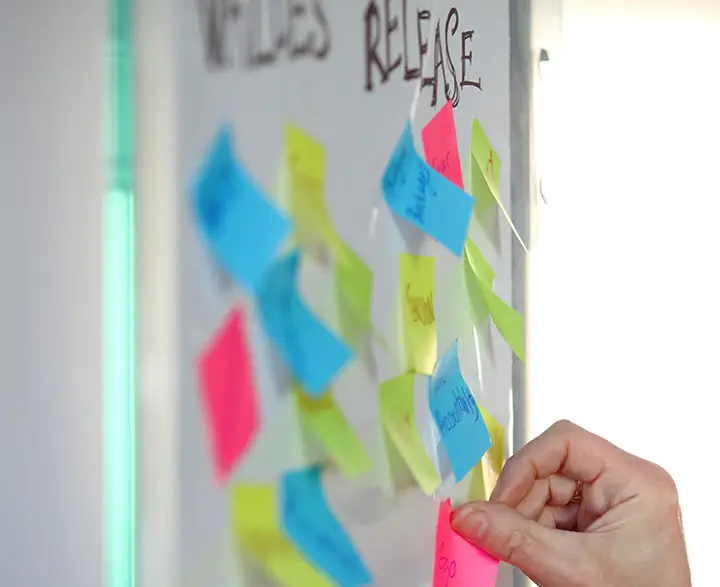
15:00 — Cacao and intention setting
A guided session using cacao as a focal point, working on individual and shared intention.
Treated practically rather than mystically, intention setting is a useful tool. It gives people a way to name what they want to change and say it out loud, rather than leaving it as another thought that disappears when the working day starts again. For a leadership group, or a team at a turning point, this often has the longest tail.
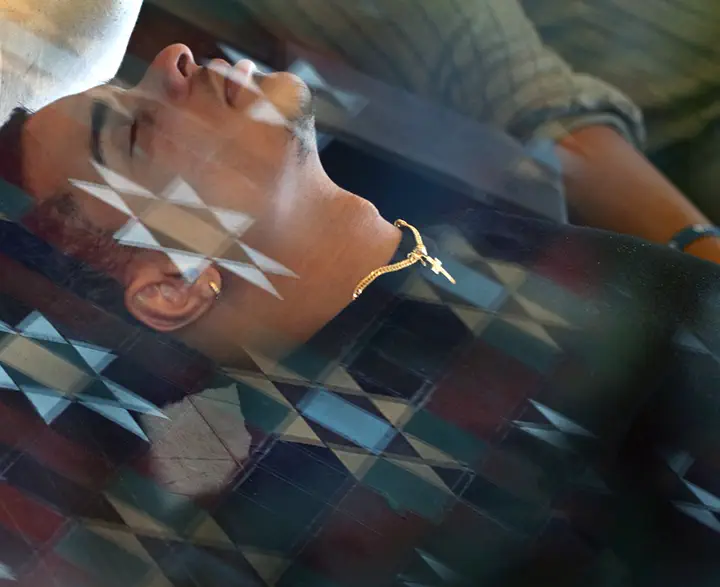
16:00 — Sound bath
Everything comes down.
A sound bath to settle the group after a full day of activity, thought and conversation. This is deliberately the last active element. People have been engaged for seven hours, and sending them straight out into the evening in that state undoes some of the good.

16:45 — Grounding supper
The day closes with a warm Vata-balancing bowl and our Earth Chamomile and Mango drink.
Late afternoon is associated with Vata — light, mobile and easily scattered — so the last thing anyone eats is warm, grounding and lighter than lunch.
Nobody leaves hungry, and nobody leaves buzzing. People go home calm, clear and considerably more connected to each other than when they arrived.

On the food and drink
Everything is placed rather than simply served. The drinks follow the elements — Air on arrival, Fire with breakfast, Ether at lunch, Earth at the close. Prepare, fuel, digest, settle.
The principle underneath is a simple one: each drink is there to do what the session around it is not already doing.
Water sits outside the sequence, deliberately. It is there from the start and stays there, in a dispenser with fruit slices and cucumber ribbons, rather than arriving at a particular moment. After a day of moving, thinking and talking, people want considerably more of it than they drink at a desk, and it should be within reach rather than served.
It is also the one element we have not turned into a functional drink, for the straightforward reason that water should be water.
Where it happens
Most of what we do can be brought to you.
We regularly transform an ordinary office into somewhere that does not feel like an office at all — a meeting room that clears, a breakout space, somewhere to eat. You do not need a studio, a garden or a purpose-built wellbeing suite. You need a room and a bit of imagination, and the imagination is our job.
Where a change of setting is the point, we source venues across London and the surrounding counties, from light-filled studios to heritage houses set in their own grounds.

This is one version of the day
Nothing above is a package. It is one example of how a full day can be built, and no two are the same.
The elements change according to the team, the time available and what the day is for. A leadership group working through a difficult decision needs something different from a team that has just merged with another, or one that has spent two years mostly on video calls.
As said at the top, nothing here is compulsory. If a sound bath is not your team, we build the day without one.
We also run:
- Two-hour experiences, which fit inside a working day without anyone taking leave
- Half days of three to four hours, for innovation days and deeper collaboration
- Overnight and multi-day retreats, for teams ready to go further
- Ongoing programmes, monthly or quarterly, rather than a single day
And frequently, we build into a day you are already running. A strategy day, an off-site or a visioning session, with wellbeing built through it rather than bolted on.
More on that here: Coffee. Crash. Lunch. Crash.
What we need from you
Less than people expect.
A space, a rough idea of numbers, and an honest sense of what you want the day to do — reset, reconnect, refocus, or simply give people something genuinely good. We take it from there and manage the whole thing, from the people running the sessions to the food, drinks, equipment and timings.
Thinking about a day for your team? Tell us about the group and what you would like it to achieve, and we will design something around it.